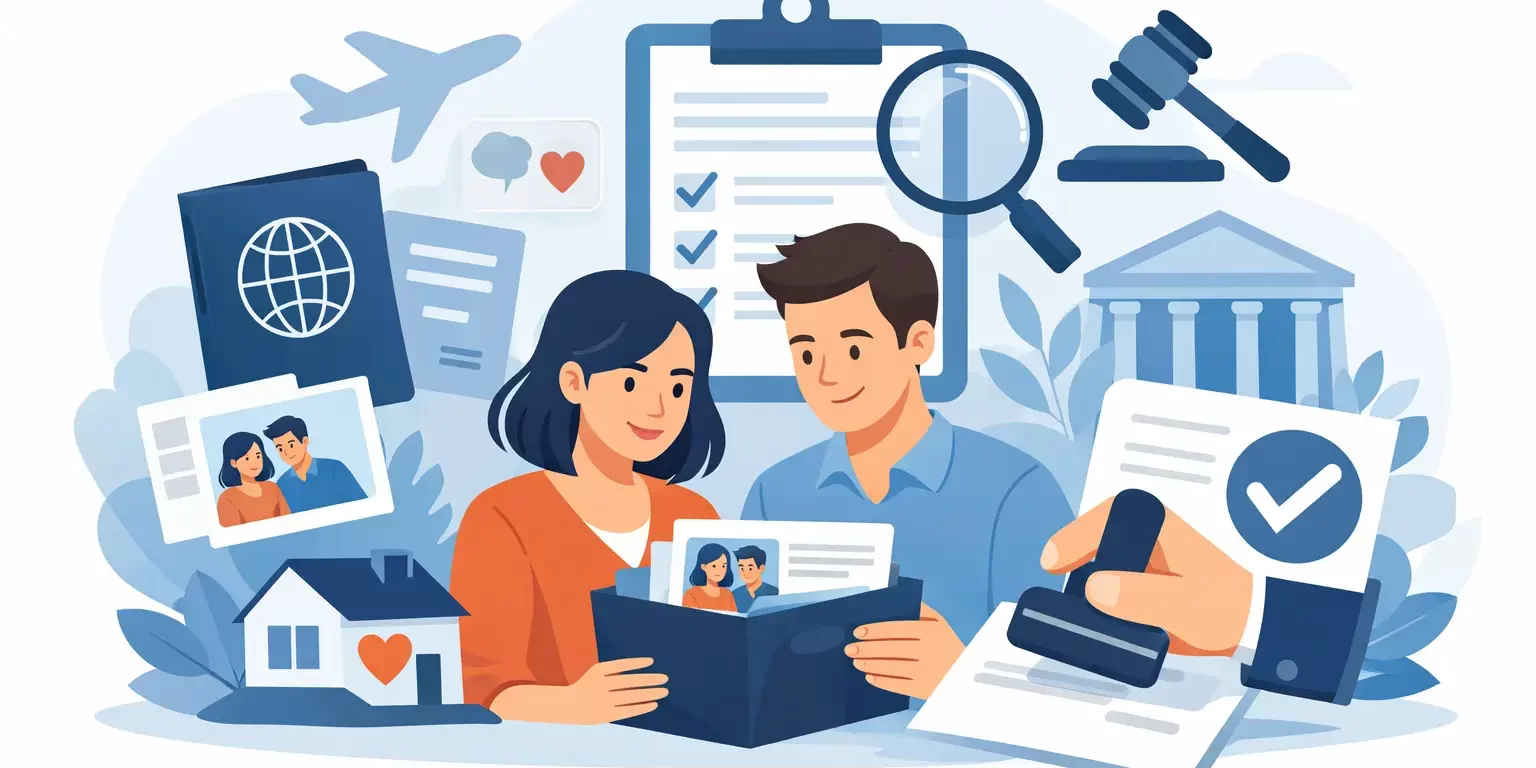
A partner visa is often won or lost on evidence, not emotion. Couples usually know their relationship is genuine, but the Department needs proof that stands up on paper. If you are asking what the best evidence for partner visa applications really looks like, the answer is not one magic document. It is a clear, consistent body of evidence that shows your relationship is genuine and continuing.
Too many applicants either overload the file with weak material or miss key documents that actually matter. Both can create problems. A strong application is not about sending everything you have ever shared. It is about presenting the right evidence, in the right categories, with a clear strategy.
What the Department wants to see
Australian partner visa decisions are generally assessed across the core aspects of the relationship. These include the financial side of the relationship, the nature of the household, the social side of the relationship, and the nature of your commitment to one another. If your evidence is thin in one area, you may still succeed, but the rest of the application needs to work harder.
This is where many couples get caught out. They assume a marriage certificate or years together will be enough. Sometimes it helps, but on its own it rarely tells the full story. The Department is looking for a real shared life, not just a legal status.
Best evidence for partner visa cases in Australia
The best evidence for partner visa cases is evidence that is independent, consistent and spread over time. Independent evidence means documents created by banks, government bodies, landlords, employers or other third parties. Consistent evidence means the dates, addresses and relationship timeline all match. Evidence over time matters because it shows the relationship is ongoing, not put together quickly for the application.
A joint bank account can be useful, but only if it is actively used by both partners. A lease in both names is strong, but only if it matches the period you say you lived together. Photos help, but only as supporting material. A thousand photos will not fix weak financial or household evidence.
Quality always beats volume.
Financial evidence that carries real weight
Financial evidence is often one of the strongest parts of a partner visa application because it can show practical interdependence. Joint bank statements are valuable when they show regular use for rent, groceries, bills and daily expenses. Shared liabilities such as a joint loan, mortgage, or financed purchase can also be persuasive.
If you do not have fully combined finances, that does not automatically mean trouble. Many genuine couples keep some finances separate for cultural, personal or practical reasons. But if that is your situation, you need to explain it properly and show other financial links. That might include one partner transferring money regularly for living costs, shared travel bookings, utility bills paid by each partner for the same address, or evidence one partner supports the other.
What weakens this category is a joint account opened shortly before lodgement with almost no activity. That tends to look artificial. The Department is trained to notice the difference between real financial partnership and evidence created just for the file.
Household evidence that proves you live as a couple
Living together is a major part of many partner visa cases, especially for married and de facto applicants. Strong household evidence includes a joint lease, bond records, utility bills, council correspondence, insurance documents, and official mail sent to each partner at the same address.
If one partner is not on the lease, the application is not doomed, but you need a sensible explanation. In some cases, landlords only list one tenant. In others, couples live with family. When that happens, statutory declarations from the homeowner or housemates can help, especially when supported by mail, shared bills or other address evidence.
Household evidence should also show how you actually share day-to-day life. That can include who pays which expenses, how chores are divided, and how your domestic arrangements work. The Department does not expect every couple to live the same way, but it does expect the picture to make sense.
Social evidence for a partner visa application
Social evidence shows whether other people know you as a couple. This matters because genuine relationships usually exist in public, not only in private. Useful social evidence includes invitations addressed to both of you, travel together, event bookings, social media history, messages with family and friends, and statements from people who know your relationship well.
This is also where Form 888 can play an important role. Strong supporting witnesses are people who genuinely know your history and can speak with detail about your relationship. Generic statements do not help much. Better statements explain how the person knows both of you, what they have observed over time, and why they believe the relationship is genuine and continuing.
Photos belong in this category, but they should be selected carefully. A smaller set of clear, dated photos across different times and settings is stronger than a massive dump of screenshots. Include family gatherings, holidays, ordinary life and important milestones. If every photo comes from one weekend or one celebration, that can leave gaps.
Commitment evidence is where many cases are decided
Commitment is the long-term dimension of the relationship. It tells the Department whether you have built a future together and whether your lives are genuinely tied to one another. This can include wills, superannuation beneficiary nominations, evidence of future plans, communication during periods apart, and decisions made together about work, housing or children.
For couples who have spent time long-distance, this category becomes even more important. You will need to show how you maintained the relationship while apart. Flight records, chat logs, call history, money transfers, gifts, travel planning and evidence of visits can all help. The key is consistency over time.
Long-distance relationships can succeed, but they require careful presentation. If there are long gaps in contact, limited visits, or delays in seeing each other, those issues should be explained directly rather than ignored.
Common problems with partner visa evidence
The biggest issue is inconsistency. If your application says you lived together from March, but your documents only show the same address from August, that gap may raise questions. If one form says you separated briefly and another says you never did, that can damage credibility.
Another common problem is relying too heavily on personal statements while lacking third-party evidence. Personal statements matter, but they do not replace objective documents. The Department expects both.
Then there is overloading the application with weak material. Hundreds of pages of repetitive chats, duplicate photos and unnecessary screenshots can bury the stronger evidence. A decision-maker should be able to understand your relationship story quickly and clearly.
If your evidence is complicated, strategy matters more
Not every genuine couple has textbook documents. Some applicants have cultural or religious relationships with limited joint finances. Some live with family. Some have had periods apart due to work, visa conditions or border issues. Some are applying after a refusal, separation concern or complicated timeline.
These cases are still winnable, but they need proper structure. You may need detailed relationship statements, carefully chosen supporting documents and explanations that address weaknesses before the Department asks questions. This is where experienced migration guidance can make a real difference, especially in document-heavy or high-risk matters.
At BMS Global, this is exactly where practical case strategy matters most. A good application does not just collect evidence. It anticipates scrutiny.
How to build the best evidence for partner visa success
Start with your timeline. Make sure key dates are accurate and consistent across all forms and documents. Then sort your evidence into the main relationship categories and check whether each category is supported by independent material.
Look for gaps. If finances are light, strengthen household and commitment evidence. If you have lived apart, build a clear record of contact and visits. If there are unusual features in the relationship, explain them in plain language and back them up where possible.
Most importantly, do not assume the case officer will fill in the blanks for you. They will assess what is in front of them. Your job is to make the relationship easy to understand and hard to doubt.
A strong partner visa file tells one story from start to finish. When the documents, dates and declarations all point in the same direction, your application stands on much firmer ground. And when your future in Australia is on the line, that level of preparation is not optional – it is what gives your relationship the best chance to be recognised properly.